

Why the unstoppable rise of the emoji is good news for business content 7 July 2015
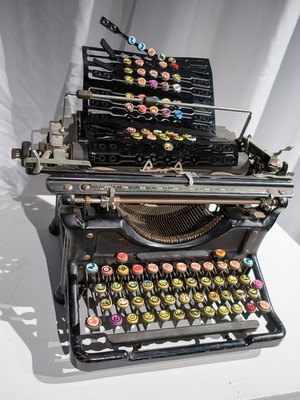
Does the sight of emoticons or emoji make you :(?
Whatever your reaction, it’s impossible to ignore the rise and rise of the little icons. Now they’ve come to marketing. According to this very recent Adweek article, “Brands have hit peak emoji mania”! So why on earth would a copywriter (and long-time lover of words, if my worn-out library card is anything to go by) suggest that those strange little winky faces are of similar value to words? The popularity of the emoji seems to have accompanied the recent surge in visual content. While on a superficial level, it looks as though emojis are replacing the written word, it’s more complex than that in marketing terms.
Smiley face?
First of all, if you’re wondering about the difference between emojis and emoticons, here’s a helpful guide from the Guardian.
I know it may seem strange to hear a copywriter say that emojis matter. After all, words are what I do. But I’m a copywriter who wants her clients to keep up with the changing world of marketing. That means staying in touch with what’s new and relevant. Which is exactly what emojis are. Whether they’re growing in profile by helping New Yorkers to commute, looking like a new way for you to get to your cash or even helping a tennis star earn some extra kudos, emojis are well and truly here.
Faster than the speed of words?
But how did we get here in the first place? This article from the Guardian takes an interesting look at the phenomenon:
“The figure that caught my eye was the dramatic drop in our average attention span, which is now only around eight seconds. This may explain the meteoric rise of another digital phenomenon: the emoji.”
Emojis reflect the changing way people respond to what they read (or rather, scan) online and elsewhere. Those little icons are a kind of emotional short-hand in a world crammed with written content. So the business using emojis effectively could actively distinguish itself from its competitors. I’m not advocating replacing all written content with emojis, but I am suggesting taking a judicious look at how emojis could enhance your content and copywriting strategy.
The disturbing truth about the psychology of emojis
The emoji is a lot cleverer than it first appears. Apparently it reflects our need to connect with others. This fascinating article talks about the psychology behind emojis:
“Scientists have discovered that when we look at a smiley face online, the same parts of the brain are activated as when we look at a real human face. Our mood changes, and we might even alter our facial expressions to match the emotion of the emoticon.
What’s really interesting is that this is not something we’re born with as babies. It’s something our brains have developed in the last few years with the emergence of emoticons and emojis. Essentially, social media culture has created a new brain pattern within us.”
The article suggests that emoticons and emojis are taking our hard-wired response to faces to a whole new level! As my favourite science aficionado would tell me, it’s always worth considering this kind of thing with a large pinch of sodium chloride, but even so, it does seem to fit. The visual image has power. The image of the face has even more power. And who doesn’t want to evoke this kind of positive emotional response in their customers? Conclusion: our brains are being rewired by social media. The way people perceive products and services is changing, but are companies keeping up?
A visual tone of voice
Does this all mean the death of the written word? Of course not. But as I’ve written before, visual content is on the rise – and written content should work alongside it. Tone of voice is a big part of great marketing content. You could argue that emojis are a tone of voice all of their own, indicating immediacy, accessibility and friendliness. It’s a language more and more people are talking.
Stay relevant
For the right kind of audience, using emojis in your content can immediately signal your relevance. However, I can foresee a time when they’re over-used in marketing in the way that hashtags are starting to be.
Get noticed quicker
As humans, we can’t resist the visual. Using emojis alongside written content could help to get your message out there with more immediacy.
Access all areas
It’s sad that accessibility is still something many companies downplay in their content and copywriting strategy. On a related note, my Twitter friends will probably be aware that I have a near pathological hatred for Comic Sans. Yet, it has been suggested by many that this much-maligned font makes content easier to read for people with dyslexia.
While this isn’t the case (as far as I know) for emojis, there is definitely an argument for it helping to make content more accessible for all kinds of audiences. A few years ago, I was involved with developing an online resource for young people. One big aspect of the design was an emphasis on icons. When they’re well-chosen and well-placed, icons simplify content and strip away confusion. I’m all for written content doing this, so why not make the most of other ways of achieving it?
Think user-friendly
Accessibility also links with another advantage of emojis: usability. A cleverly applied emoji can make content more usable and immediate.
But no, all this doesn’t mean you should stop thinking about written content…
With all these advantages, it makes sense to use the emoji in a way which is relevant to your business – alongside written content! Embracing visual content effectively can also strengthen your written copy. The essential thing here is relevance. Is the emoji right for your audience? Potential uses include:
- Text messages: alerts for appointments, updates
- Social media: sharing good news
- Printed content: direct mail postcard for reminders or updates
- Blog posts: headers, routes to your main messages.
A word of caution
That’s not to say that using emojis is completely risk-free. Shortening and simplifying any kind of message can create room for confusion. We’ve probably all experienced the issues caused by misinterpreting a text message! Scroll down the page on this light hearted analysis to see a humorous take on the potential misinterpretations caused by emojis. Another possible danger is that of coming across as too casual. Like all content – visual and written – your use of the emoji needs to be considered, appropriate and strategic, rather than just done for its own sake.
The emoji as disruptor
It won’t be long before the emoji becomes commonplace in marketing, but right now, using it cleverly could mark you out as a disruptor in your industry.
Copywriting blasphemy?
So, have I committed one of the biggest copywriting crimes – promoting images over words? No, because I think the positive values of the emoji are in tune with those of effective copywriting: accessibility, immediacy and emotional connection. Don’t we all want to create content that makes people :)?
Camilla Zajac, Green Light Copywriting, July 2015
Image credit: Scott Beale/Laughing Squid

Written by Camilla Zajac
Camilla Zajac is an award-winning copywriter dedicated to uncovering what’s exciting and unique about organisations and empowering them to communicate that with impact. Learn more about copywriting services from Green Light Copywriting.